
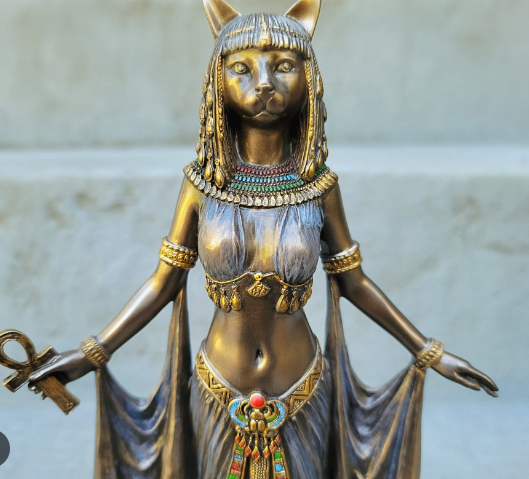
The Bastet Goddess Statue: A Symbol of Protection and Fertility
The Bastet goddess statue holds a significant place in ancient Egyptian culture, representing not just protection but also fertility, joy, and motherhood. This captivating figure has intrigued historians and art enthusiasts alike, making it a timeless subject worthy of exploration. In this article, we delve into the meaning, history, and cultural significance of the Bastet goddess statue.
1. The Origins of Bastet
Bastet, originally depicted as a lioness, eventually evolved into the more familiar form of a female figure with a lioness head. As a deity, she was revered as the protector of the home, children, and women, embodying nurturing qualities as well as fierce defense. Dating back to approximately 3000 BCE, the worship of Bastet was prominent in the city of Bubastis (modern-day Zagazig), where a grand temple dedicated to her attracted thousands of pilgrims. Understanding these origins provides insight into her dual nature, as both a nurturing figure and a guardian against evil spirits.
2. Symbolism and Artistic Representation
The Bastet statue is often adorned with various symbols that highlight her attributes. One common representation features her holding a sistrum, a musical instrument used in religious ceremonies, symbolizing joy and celebration. Other depictions show her surrounded by kittens or cats, emphasizing her role as a protector of both domestic animals and human inhabitants. The intricate details found in these statues reflect the artistic mastery of ancient Egyptians and their deep spiritual connection to their deities, making each piece unique and meaningful.
3. Cultural Significance Today
In modern times, the Bastet goddess statue has transcended its ancient roots, becoming a popular symbol in art and pop culture. Many continue to be drawn to her image for its association with female empowerment, fertility, and protection. Statues and representations of Bastet can now be found in homes and galleries worldwide, serving as a reminder of the qualities she embodies. Additionally, interest in Egyptian mythology has surged, making the Bastet statue a fascinating subject for collectors and historians alike.
In conclusion, the Bastet goddess statue serves as a rich testament to the enduring legacy of ancient Egyptian culture. With its deep roots in history and refreshing relevance in contemporary society, it’s worth exploring further. Whether you’re an art lover, history buff, or simply curious, the story of Bastet is one that invites deeper reflection and appreciation. Take the next step and immerse yourself in the captivating world of Egyptian mythology!