
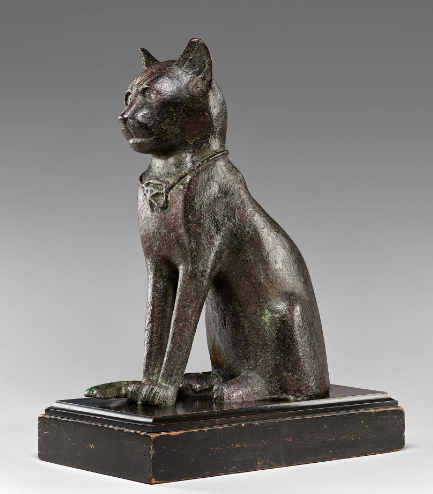
Egyptian statue cats are a fascinating topic that unveils the deep-rooted connection between ancient Egyptians and feline figures. These captivating sculptures not only highlight the cultural significance of cats in Egyptian society but also offer insights into their artistic techniques and spiritual beliefs. Delving into the world of these statues can enrich our understanding of history and the role animals played in it.
1. The Cultural Significance of Cats in Ancient Egypt
In ancient Egypt, cats were viewed not merely as pets but as sacred beings. They were celebrated for their hunting ability, particularly in controlling pests like rodents. This practical role transitioned into a spiritual one, with the goddess Bastet—who was often depicted as a lioness or a domestic cat—symbolizing home, fertility, and protection. Statues of cats were commonly placed in tombs and temples, serving as offerings that honored the feline deity. The reverence for cats reflects the ancient Egyptians’ appreciation for nature and their belief in the divine presence in everyday life.
2. Artistic Features of Egyptian Cat Statues
The artistry involved in creating Egyptian cat statues is nothing short of remarkable. Crafted from various materials like bronze, alabaster, and wood, these statues exhibit exquisite detail and craftsmanship. Artists paid close attention to the anatomical features of cats, capturing their elegance and grace. Many statues feature a distinctive pose—sitting upright with a serene expression—which conveys both calmness and authority. The use of hieroglyphics and intricate patterns adds further beauty and becomes a narrative device, often telling stories or invoking blessings from the gods.
3. Cat Statues: Archaeological Discoveries and Modern Importance
Discoveries of cat statues in archaeological sites, such as the famous cat cemetery at Bubastis, have enlightened historians and cat enthusiasts alike. These sites revealed thousands of mummified cats, showcasing the burial rites and the high esteem in which cats were held. Today, Egyptian cat statues continue to captivate art collectors, tourists, and scholars worldwide. They serve as a unique bridge between ancient beliefs and modern appreciation, highlighting how cats have maintained their status as beloved companions throughout history. Collectors find joy in owning replicas, while museums often display these artifacts to educate the public about ancient Egyptian culture.
In conclusion, Egyptian statue cats encapsulate the intersection of art, spirituality, and history. Their significance extends beyond mere decoration; they are a testament to the intricate relationships humans have with animals. Whether you’re an art lover, history buff, or simply a cat enthusiast, exploring the world of Egyptian cat statues offers a rewarding journey. Dive deeper into this fascinating topic and discover how these magnificent figures have shaped perceptions of cats for centuries!