
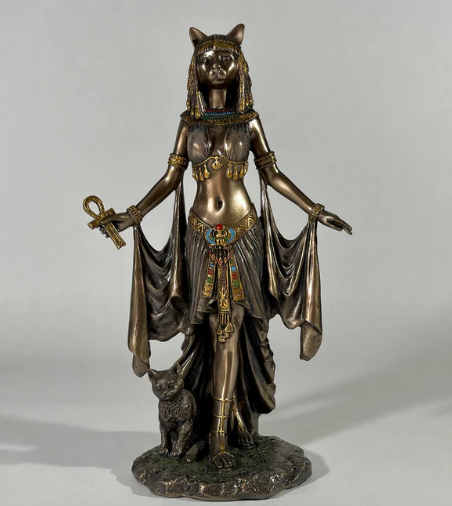
Exploring the Allure of the Bastet Statue: A Glimpse into Ancient Egyptian Culture
The Bastet statue serves as a captivating emblem of ancient Egyptian mythology, representing the goddess of home, fertility, and domesticity. As one of the most recognized figures in Egyptian religion, Bastet offers a fascinating blend of history, spirituality, and artistry. This article delves into the significance of the Bastet statue and its relevance in today’s cultural landscape.
1. The Iconography of Bastet
Bastet, often depicted as a lioness or with a lioness’s head, symbolizes power and protection. Initially revered as a fierce lioness, her image evolved into a more gentle domestic cat, reflecting her dual nature as a protector and nurturer. Statues of Bastet often showcase intricate details, from her jewelry to the positioning of her body, signifying her importance in ancient Egyptian life. Many homes boasted small figurines of Bastet, believed to bring harmony and safety, indicating her role in everyday life, beyond just divinity.
2. Cultural Significance Throughout History
The worship of Bastet dates back to the Second Dynasty of Egypt, around 3000 BCE, highlighting her long-standing importance in Egyptian culture. Festivals dedicated to Bastet drew massive crowds, where music, dance, and revelry could be observed, showcasing her role as a deity of pleasure and love. Over the centuries, the reverence for the goddess adapted, reflecting the shifting dynamics within Egyptian society. Today, Bastet remains a symbol of femininity and strength, resonating with contemporary themes of empowerment and protection.
3. Collecting and Displaying Bastet Statues Today
In modern times, Bastet statues have found their place in both museums and private collections worldwide. Collecting these artifacts can be an enriching hobby, combining a love for history with artistic appreciation. The craftsmanship of Bastet statues varies, with some made from materials like bronze, stone, or pottery, each reflecting different aspects of ancient Egyptian artistry. When displayed in homes, these statues serve as a reminder of cultural heritage and can spark conversations about ancient beliefs and their implications today.
In conclusion, the Bastet statue not only represents a historically significant goddess but also embodies enduring themes of strength and protection that resonate with many today. Whether you are a history enthusiast, an art lover, or someone curious about ancient cultures, exploring the stories behind these statues can be a rewarding journey. Take a moment to learn more about the fascinating legacy of Bastet and how it continues to influence our lives today!