
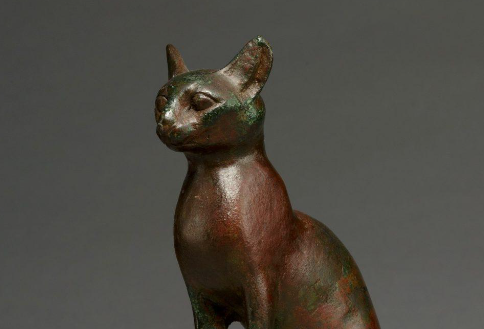
The big Egyptian cat statue, often referred to as the Sphinx or representations of the goddess Bastet, is an iconic symbol of ancient Egyptian culture. These majestic sculptures not only capture the imagination of art lovers and historians but also shed light on the deep cultural significance that cats held in ancient Egypt. Whether you’re a history buff or simply curious about fascinating artifacts, understanding these statues can enrich your appreciation of Egypt’s cultural heritage.
1. The Cultural Significance of Cats in Ancient Egypt
Cats were revered in ancient Egyptian society, symbolizing grace, poise, and protection. The goddess Bastet, often depicted as a lioness or a woman with the head of a lioness, represented home, fertility, and motherhood. Statues of cats, especially large ones, were not just decorative; they served as protectors of homes and tombs. The cat’s ability to hunt vermin was vital for food preservation, which added to its importance within Egyptian households. These cats were often mummified and buried with their owners, emphasizing their revered status.
2. The Architectural Marvels of Cat Statues
The grand scale of these cat statues showcases the architectural ingenuity of ancient Egyptian civilization. Crafted from limestone, granite, or other durable materials, these statues were often placed at temple entrances or in sacred spaces to signify divine protection. The craftsmanship involved in sculpting these statues reflects the advanced techniques of the time, incorporating intricate details that highlight their regal stature. Such artistry not only communicates the aesthetic values of the Egyptians but also serves as a testament to their architectural and artistic achievements.
3. Modern Discoveries and Tourism
In recent years, modern discoveries of large cat statues have sparked renewed interest in Egypt’s ancient past. Archaeological teams have unearthed previously hidden relics, drawing tourists and scholars alike to explore the rich history behind these magnificent sculptures. Tours to sites featuring these statues often include discussions on their historical context, myths, and the rituals associated with them. This revival in interest not only aids in historical preservation but also supports local economies reliant on tourism.
In conclusion, the big Egyptian cat statue embodies the history, art, and cultural values of ancient Egypt. Learning about these incredible artifacts can deepen your understanding of this fascinating civilization. If you’re inspired to uncover more about Egypt’s rich heritage, consider visiting local museums, exploring virtual exhibits, or even planning a trip to Egypt itself for a firsthand experience.