
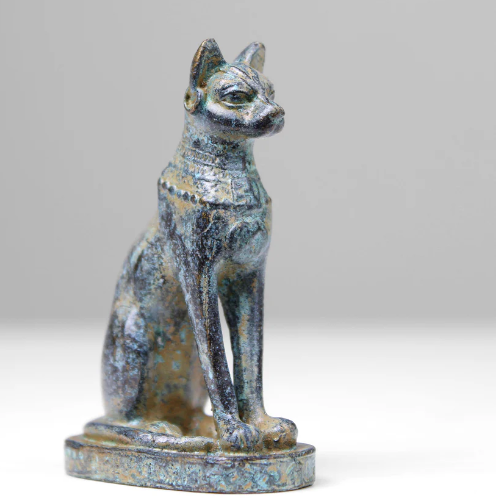
Title: Unveiling the Mysteries of the Egyptian Cat God Statue
Introduction: The fascination with ancient Egyptian culture is timeless, especially when it comes to its rich mythology and art. Among the most captivating figures in this realm is the Egyptian cat god, often symbolized by statues that evoke both reverence and curiosity. Understanding these statues not only enriches our knowledge of ancient beliefs but also sheds light on the unique relationship between humans and animals in Egyptian history.
1. The Significance of the Cat in Ancient Egypt
Cats held a sacred place in ancient Egyptian society, revered for their grace and hunting prowess. They were associated with the goddess Bastet, who represented home, fertility, and domesticity, as well as protection. Statues of the cat god often depicted her in multiple forms, revealing cultural values surrounding family and motherhood, as well as the importance of safety in the household. As protectors against vermin, cats were not just pets; they were pivotal in sustaining the ancient Egyptians’ agricultural lifestyle.
2. Artistic Features of Cat God Statues
The artistry of Egyptian cat god statues is a fascinating subject in itself. Crafted primarily from materials like bronze, stone, and wood, these statues often showcase intricate details, including the characteristic upright ears, graceful body posture, and distinctly expressive faces. Many statues are adorned with jewelry and hieroglyphics, adding layers of meaning and enhancing their aesthetic appeal. This artistic representation serves not only as a decorative item but also as a spiritual emblem, intended to evoke divine protection and blessings.
3. Cultural Representations and Modern Interpretations
Today, the Egyptian cat god statue continues to inspire various interpretations in popular culture and art. From modern home decor to fashion, the imagery of the cat god permeates contemporary aesthetics. Museums worldwide honor this ancient symbol by showcasing well-preserved examples, allowing visitors to connect with a shared history. Additionally, enthusiasts collect replicas, ensuring that the legacy of the cat god lives on in homes and art spaces around the globe.
Conclusion: The Egyptian cat god statue serves as a fascinating window into the beliefs and artistry of ancient Egypt. By exploring its significance, artistic features, and modern interpretations, we gain a deeper appreciation for this cultural symbol. For those eager to learn more, consider visiting a local museum or researching Egyptian history online. Engaging with this captivating aspect of ancient civilization is a journey worth taking!