
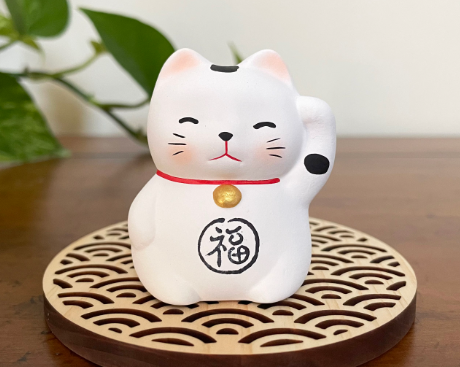
Japanese lucky cat statues, known as “maneki-neko,” have captured the hearts of people around the world. These charming figurines are not only aesthetically pleasing but are also believed to bring good fortune, prosperity, and happiness to their owners. This article explores the intriguing history, symbolism, and cultural significance of these iconic statues.
1. The Origins of Maneki-Neko
The history of maneki-neko dates back to the Edo period in Japan, around the 17th century. Various legends surround its creation, with one popular tale involving a poor priest and his cat. The cat is said to have raised its paw to greet a traveler, who later helped the priest by donating money to his temple. As a result, the figurine became a symbol of good luck and prosperity. Over time, the design evolved, and it became common for businesses and homes to display these statues as they were believed to attract customers and safeguard against misfortune.
2. The Symbolism Behind the Design
Maneki-neko comes in various colors and styles, each representing different forms of luck. For instance, white symbolizes purity and positive energy, while black is thought to ward off evil spirits. Gold maneki-neko are particularly popular, as they are associated with wealth and prosperity. The raised paw also holds significance—if the right paw is lifted, it is believed to attract wealth, while the left paw is said to invite customers. Understanding the symbolism behind each element can enrich one’s appreciation for these delightful statues.
3. Incorporating Maneki-Neko into Your Life
If you’re looking to invite some good fortune into your home or workspace, incorporating a maneki-neko can be a delightful option. Positioning the statue near the entrance of your home or business is said to be the most effective placement, allowing it to greet guests and customers alike. Additionally, consider the color and orientation of the paw based on your specific desires—for instance, choose a white cat to promote harmony or a gold one to attract financial success. Not only does this infuse your space with cultural significance, but it also adds a cheerful ambiance.
In conclusion, Japanese lucky cat statues are more than just decorative pieces; they are rich in history and symbolism. Whether you choose to keep one for its aesthetic appeal or its potential to bring good fortune, maneki-neko serves as a reminder of the positive energies in our lives. Explore the different styles and meanings behind these captivating figures to find one that resonates with you!